The Difference Between Transparent, Semi-Transparent, and Solid Deck Stains
People seeking deck staining often want to enhance appearance and protection, and local contractors can help choose the right transparent, semi-transparent, or solid stain for their needs.
Understanding the difference between transparent, semi-transparent, and solid deck stains is essential for property owners looking to enhance and protect their outdoor spaces. Each type offers a distinct appearance and level of coverage, making it important to choose the right option based on your aesthetic preferences and the condition of your deck. For those in the area, exploring these options can help ensure that your deck not only looks great but also withstands the elements over time. Local contractors specializing in deck staining can provide guidance tailored to your specific needs, helping you select the best stain for your desired look and durability.
Deciding which deck stain to use involves more than just appearance; it also impacts maintenance and protection. A transparent stain emphasizes the natural wood grain, while semi-transparent offers a balance of color and visibility. Solid stains provide a more opaque finish, often used to hide imperfections or previous finishes. Property owners in the community often turn to experienced service providers to help navigate these choices, ensuring the right application for their outdoor space. Whether you want to showcase your deck’s natural beauty or achieve a more uniform look, local experts can assist in achieving a professional result that aligns with your vision.
- Transparent deck stain - ideal for homeowners who want to showcase the natural wood grain and need local contractors to apply a light, protective coating that enhances the wood’s appearance.
- Semi-transparent deck stain - suitable for those seeking a balance between color and wood grain visibility, with local service providers offering application that adds subtle color while preserving texture.
- Solid deck stain - recommended for decks requiring maximum coverage to hide imperfections, with local pros applying opaque coatings that provide a uniform, long-lasting finish.
- Understanding the difference between transparent, semi-transparent, and solid deck stains helps homeowners choose the right option, with local contractors guiding the selection and application process.
- Choosing the right stain type depends on desired aesthetics and protection needs, and local service providers can help determine the best fit for each deck.
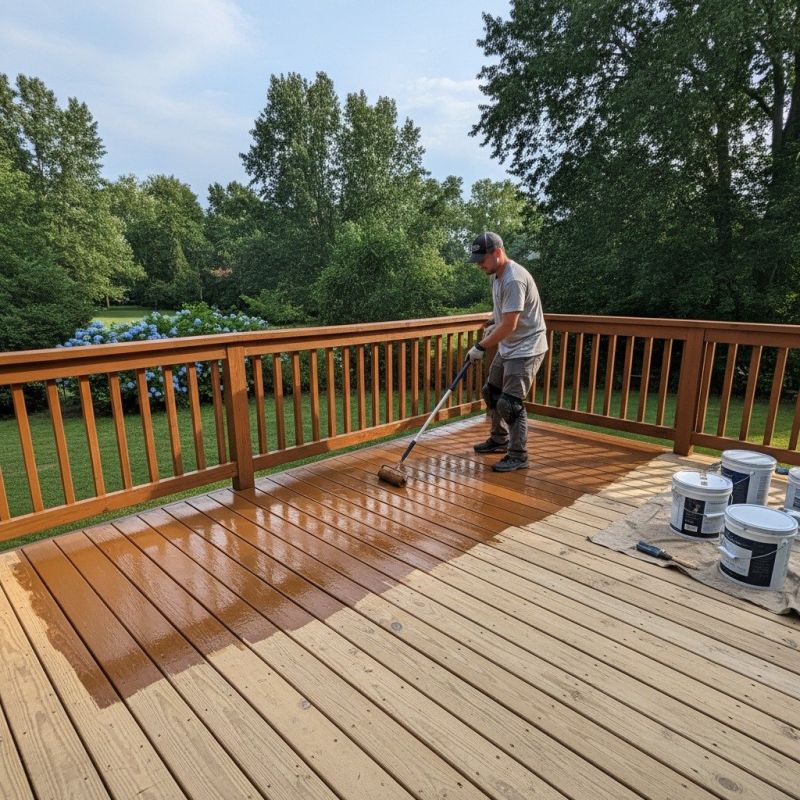
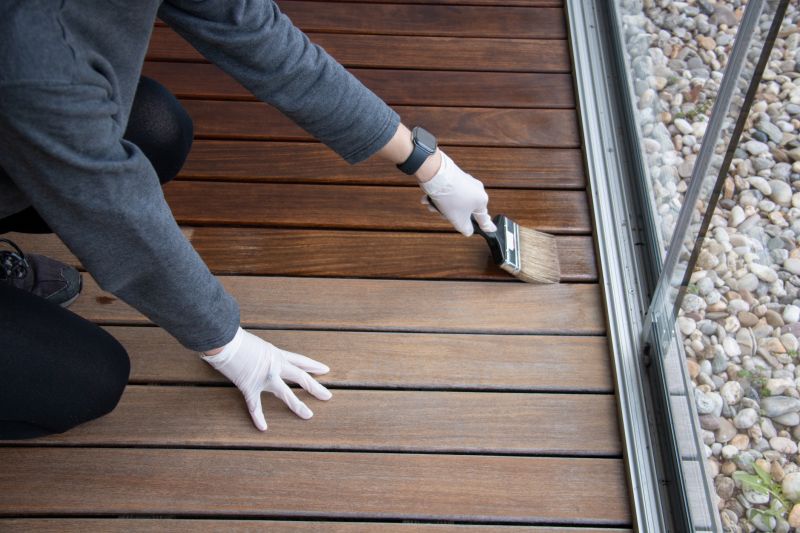
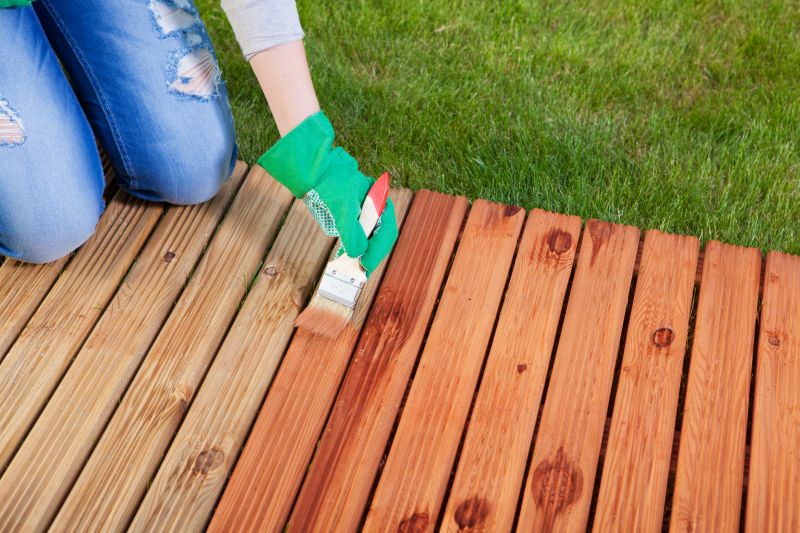
When homeowners begin exploring options for deck staining, one of the most common questions revolves around the differences between transparent, semi-transparent, and solid deck stains. This topic often comes up because people want to enhance their deck’s appearance while protecting the wood from weather damage. The choice of stain can significantly impact the look, durability, and maintenance needs of a deck, making it an important consideration for anyone planning a staining project. Homeowners typically search for this information to better understand which type of stain aligns with their aesthetic preferences, how each option performs over time, and which might be easier to maintain. These questions are especially relevant for properties like residential decks, outdoor patios, or commercial spaces with wooden surfaces that require regular upkeep.
The differences between these types of stains relate directly to how much of the wood’s natural grain and color show through and how much protection they provide. Transparent deck stains are designed to highlight the natural beauty of the wood, allowing the grain to show through while offering a light layer of protection. They are often chosen when the goal is to preserve the natural look of the wood and achieve a subtle enhancement. Semi-transparent stains offer a middle ground, providing more color and UV protection than transparent options while still revealing some of the wood’s grain. Solid deck stains, on the other hand, act more like paint, completely covering the wood’s surface with a uniform color. They are typically used to hide imperfections or to achieve a specific color tone, but they require more maintenance and tend to last less long before needing a recoat.
These stain types are most commonly associated with properties that feature wooden decks, porches, or fencing. Residential homes with backyard decks often rely on these options to refresh the appearance and extend the life of their outdoor wood surfaces. Commercial properties, such as outdoor dining areas or community parks, may also require different stain types depending on the desired look and durability needs. The decision often depends on the condition of the wood, the level of exposure to weather, and aesthetic preferences. Local service providers who specialize in deck staining can help evaluate the property’s specific needs, recommend the most suitable stain type, and ensure proper application. Their expertise helps homeowners achieve a balance between appearance, protection, and maintenance requirements for their outdoor wood features.
Understanding the distinctions between transparent, semi-transparent, and solid deck stains is essential for homeowners planning a deck refresh or new stain application. Choosing the right type depends on factors like the deck’s current condition, the desired visual effect, and how much effort is acceptable for ongoing maintenance. Local contractors experienced in deck staining can assist in selecting the best stain for each project, ensuring the finish performs well over time and matches the homeowner’s aesthetic goals. By working with professionals, property owners can make informed decisions that enhance their outdoor spaces while protecting their investment. Whether the goal is to showcase the natural wood grain or achieve a bold, uniform color, understanding these differences helps in planning a successful deck staining project.
Fence staining projects - staining fences requires understanding different stain opacities, similar to deck stain options, which local contractors can help select and apply.
Wood siding refinishing - refinishing exterior wood siding involves choosing appropriate stain types to achieve desired aesthetic effects, a skill shared with deck staining services.
Outdoor furniture finishing - applying protective finishes to outdoor furniture involves knowledge of transparent and solid stains, which local service providers can assist with.
Porch and patio sealing - sealing concrete or wood surfaces in outdoor living areas requires planning and skill comparable to deck stain application techniques.
Exterior surface prep work - preparing surfaces for staining or sealing involves similar surface cleaning and sanding skills used in deck staining projects.
Deck repair and restoration - restoring weathered or damaged decks often precedes staining, requiring expertise in surface preparation and finishing techniques.
When evaluating service providers for deck staining, it’s important to consider their experience with similar projects. Homeowners should look for local contractors who have a proven track record of working with different types of deck stains-whether transparent, semi-transparent, or solid-and understand how each interacts with various wood surfaces. An experienced professional can offer insights into which stain type best suits the homeowner’s needs, ensuring the chosen product enhances the deck’s appearance and longevity. Reputable references or reviews from past clients who have had comparable staining projects can provide additional confidence in a contractor’s ability to deliver quality results.
Clear written expectations are a key factor when comparing local service providers. Homeowners should seek out contractors who can articulate the scope of work, including surface preparation, stain application techniques, and the types of stains they recommend for specific situations. Understanding what is included in the service helps prevent misunderstandings and ensures the homeowner’s preferences are considered. A professional who provides detailed, transparent information about their process and the products they use can help set realistic expectations and foster trust throughout the project.
Good communication and reputation are vital when choosing a contractor for deck staining services. Homeowners should prioritize providers who are responsive, willing to answer questions, and able to explain the differences between transparent, semi-transparent, and solid stains in relation to their specific project. Reputable local contractors often have established reputations based on quality work and customer satisfaction. By engaging with service providers who communicate clearly and have positive references, homeowners can feel more confident that their deck will be treated with care and that the final result will meet their expectations.
Property owners often search for the difference between transparent, semi-transparent, and solid deck stains when they are planning practical projects around their homes and businesses. Local pros provide Deck Staining services for everyday jobs and straightforward project options.

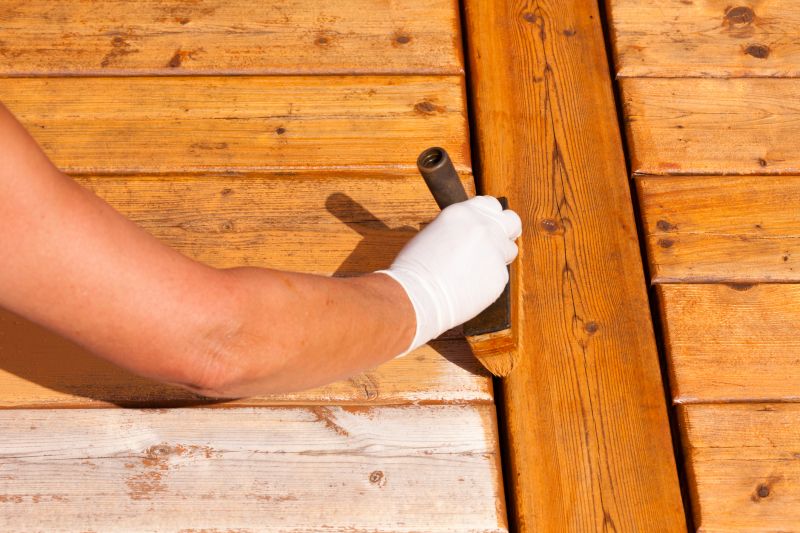
Understanding the difference between transparent, semi-transparent, and solid deck stains can help property owners choose the right option for their outdoor spaces. For those looking to maintain the natural look of their wood while adding a protective layer, transparent stains are often preferred. They penetrate deeply into the wood, highlighting the grain and texture, making them suitable for decks with high-quality or recently restored wood surfaces. Semi-transparent stains offer a balance, providing some color and UV protection without completely obscuring the wood’s natural appearance. These are popular choices for homeowners who want to enhance their deck’s look while still showcasing the wood’s character.
Solid deck stains, on the other hand, provide a more opaque finish that completely covers the wood surface. They are ideal for decks that have weathered or damaged wood, or for property owners seeking a uniform color that can conceal imperfections. Local contractors who specialize in deck staining can help determine which type of stain best fits the condition of the deck and the desired aesthetic. Whether the goal is to preserve the natural beauty of the wood or to achieve a more uniform, colorful appearance, experienced service providers can recommend and apply the right stain to meet specific needs.
What is the main difference between transparent, semi-transparent, and solid deck stains? The main difference lies in how much of the wood’s natural appearance and grain is visible, with transparent stains offering the most visibility, semi-transparent providing some coverage, and solid stains providing the most opacity.
How do transparent, semi-transparent, and solid stains affect the durability of a deck? Generally, solid stains tend to offer the most protection against weather and wear, while transparent and semi-transparent stains may require more frequent reapplication to maintain their appearance and protection.
Which type of deck stain is best for highlighting the wood’s natural beauty? Transparent and semi-transparent stains are preferred for showcasing the wood’s grain and natural characteristics, with local contractors able to recommend the best option based on the deck’s condition and desired look.
Can local service providers help decide which type of stain is suitable for my deck? Yes, local contractors can assess the deck’s material, exposure, and your aesthetic preferences to recommend the most appropriate stain type-whether transparent, semi-transparent, or solid.
Are there differences in maintenance between these types of deck stains? Yes, transparent and semi-transparent stains typically require more frequent maintenance and reapplication, while solid stains tend to last longer but may need more extensive surface preparation when recoating.
Understanding transparency levels - property owners can choose a deck stain based on how much wood grain and texture they want visible, with local contractors helping select the right option for their aesthetic goals.
Matching stain types to project needs - whether aiming to highlight the natural beauty or add a more uniform color, local service providers can advise on the best stain type for durability and appearance.
Considering maintenance and longevity - semi-transparent and solid stains typically require different upkeep, and local pros can recommend the best approach to keep the deck looking its best over time.
Choosing the right application techniques - proper application of each stain type affects the final look and protection, and experienced contractors can ensure a smooth, even finish for a professional result.
If you are thinking about the difference between transparent, semi-transparent, and solid deck stains for a property, this guide is meant to help you understand this topic, the typical project types, and how different options might fit your plans.
When you are ready, you can use the quote form on this page to share a few details about your project. From there, local pros can review the basics and follow up with options that match what you have in mind.